




Is a Certified Pre-Owned Volkswagen Worth It? What Encinitas Drivers Should Know
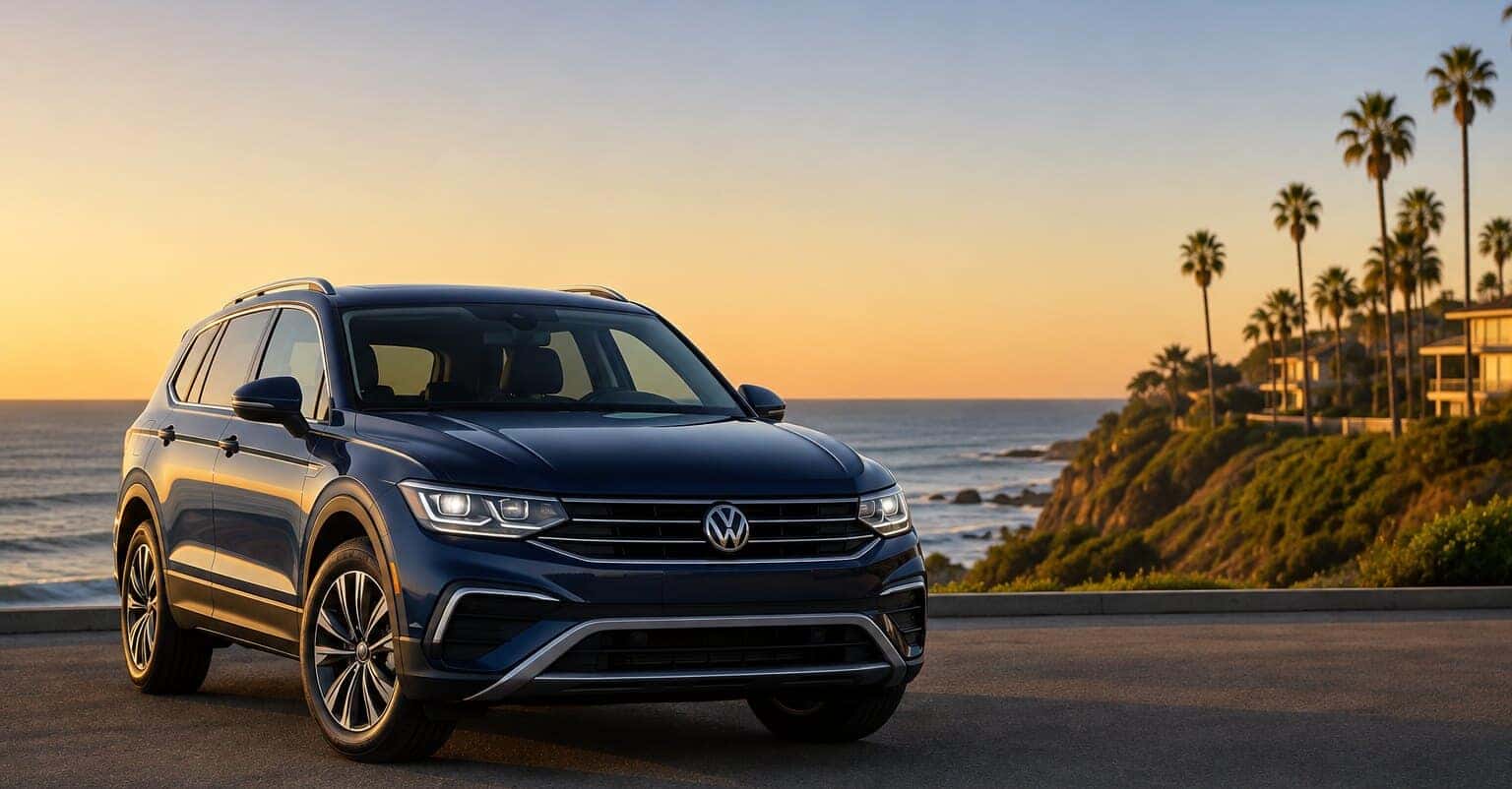
For most Encinitas drivers, a Certified Pre-Owned Volkswagen is worth it when you want a newer, lower-mileage vehicle carrying a manufacturer-backed limited warranty at a price below new.
Whether it is the right call for you comes down to three things: what the warranty actually covers, how it compares against the alternatives, and how long you plan to keep the car. This article works through each.
The Warranty: What You Actually Get
This is the part most articles leave vague, and it is the part that decides the question.
A Certified Pre-Owned Volkswagen carries an additional 2 years or 24,000 miles of limited warranty coverage, whichever comes first. Three details matter more than the headline:
- It begins when the New Vehicle Limited Warranty expires. The original coverage runs 4 years or 50,000 miles, so certified coverage extends the protection rather than overlapping it.
- There is a $50 deductible per dealer visit on covered repairs. Not per repair, per visit. Worth knowing before you sign rather than at your first claim.
- It is transferable. If you sell privately, remaining coverage passes to the next owner at no charge, which is real value you recover at resale rather than value you lose.
One recent change worth knowing about. As of April 1, 2026, for 2020 and newer certified vehicles, if the New Vehicle Limited Warranty has already expired at the time of sale, the certified coverage now begins from the sale date. Previously that scenario could leave a shopper buying into coverage that had partly run down. Most published guidance on this program predates the change.
Certified Versus Buying New
A new Volkswagen gives you the latest design, full factory warranty from mile zero, and the ability to specify the exact trim and color you want. You also absorb the steepest depreciation, which lands in the first two or three years of ownership.
A certified vehicle lets the previous owner take that hit. You still get manufacturer-backed coverage and a vehicle in verified condition, at a lower entry price.
The honest way to decide between them:
If keeping your monthly payment down matters more than having the newest model year, certified usually makes the stronger financial case. If you want a specific configuration that is not sitting on a lot, or you plan to keep the vehicle well past the point where any warranty is relevant, new may edge it out.
Certified Versus Standard Pre-Owned
This is where certification earns its keep, and the comparison is more concrete than the new-versus-certified one.
A non-certified pre-owned Volkswagen may be cheaper up front. What it does not carry is the manufacturer-backed warranty, the completed inspection, or the reconditioning. If it needs work after you buy it, that cost is yours.
With a certified vehicle, more of that risk has been handled before you sign, and outstanding recalls have already been addressed rather than waiting for you to discover them.
Does Certification Make Sense on an Electric Volkswagen?
If you are considering the ID.4, this deserves particular attention, because the concern with a pre-owned electric vehicle is different from the concern with a pre-owned gas one.
Nobody worries much about a used engine at 40,000 miles. People do worry about a battery.
Electric vehicles are eligible for the certification program, and the coverage speaks directly to that worry: 8 years or 100,000 miles on the high-voltage battery, covering defects in material and workmanship and battery capacity, with repairs to return capacity to at least 70 percent if it falls below.
That last part is the one worth understanding. It is not just a defect warranty. It addresses degradation, which is the actual thing a pre-owned electric buyer is uncertain about.
How to Decide
Run through these honestly before you commit:
- How long will you keep the vehicle? Longer ownership shifts the math toward overall value, which certified often provides. Shorter ownership makes the transferable warranty more relevant, since you recover some of it at resale.
- How much repair risk are you comfortable carrying? The more you want handled before you sign, the more certification is worth.
- Do you need a specific configuration? If yes, new widens your options. If a strong, ready-to-go vehicle is fine, certified widens them at a lower price.
- Are you buying electric? If so, weigh the battery coverage heavily. It is the single strongest argument for certification on an electric vehicle.
- Have you priced all three? New, certified, and standard pre-owned on the same model. The answer is frequently not what people expect going in.
Compare Real Vehicles, Not Categories
The fastest way to settle this is to stop comparing categories and start comparing three actual vehicles on the same model, one of each kind, with the real numbers in front of you.
Bring the question to us and we will lay it out rather than steer you toward one answer. If certified is not the right call for your situation, we would rather tell you.
Herman Cook Volkswagen is open seven days a week: Monday through Friday from 8:30 AM to 7:00 PM, Saturday from 9:00 AM to 6:00 PM, and Sunday from 10:00 AM to 5:00 PM. That Sunday window is often the easiest time to do a genuine side-by-side comparison, since the showroom is calmer.
Browse the certified selection online first, then come see how the value stacks up for the way you actually drive.
0 comment(s) so far on Is a Certified Pre-Owned Volkswagen Worth It? What Encinitas Drivers Should Know